
Cleanliness is the #1 priority inside any healthcare environment. From hospitals and clinics to dental offices, urgent care centers, surgical facilities, and senior living communities, the flooring plays a critical role in preventing contamination, stopping bacteria growth, and maintaining safe, sterile conditions.
Bare concrete, tile, and worn flooring create hiding spots for germs — putting patients and staff at risk.
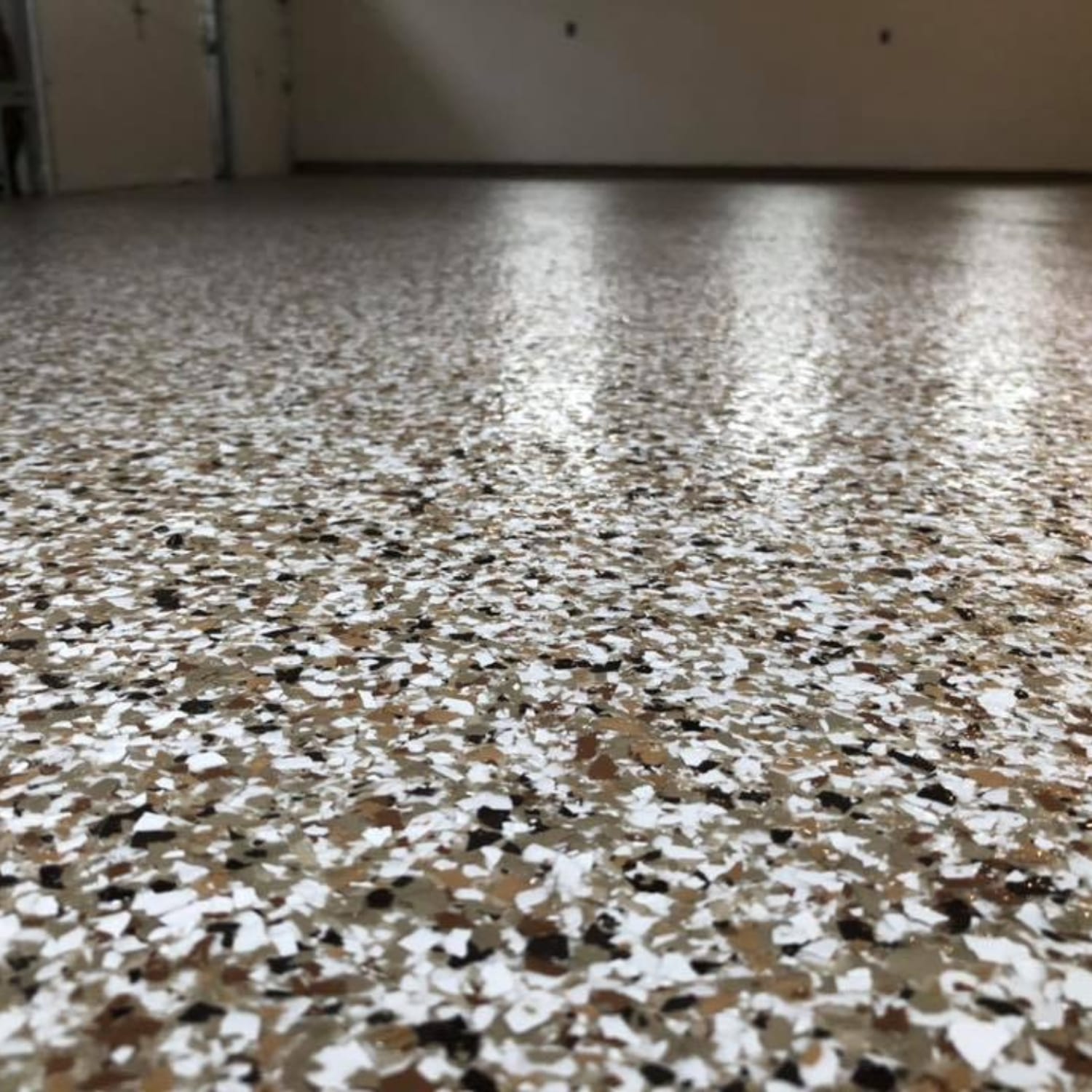
That’s why more healthcare facilities across Oklahoma City, Edmond, Norman, Moore, and Yukon are switching to epoxy and polyaspartic flooring systems from Zone Garage OKC. These seamless, non-porous floors provide unmatched hygiene, durability, and regulatory compliance.
Here’s why epoxy flooring is the most hygienic and practical choice for healthcare.
1. Seamless, Non-Porous Surface Eliminates Bacteria Growth
Healthcare floors must be easy to sanitize and free from contamination.
Epoxy floors create a completely seamless surface, meaning:
✔️ No grout lines
✔️ No joints
✔️ No pores
✔️ No cracks for bacteria to hide
This prevents microbial growth and makes cleaning significantly more effective.
Tile and concrete, by contrast, trap:
- Germs
- Viruses
- Bodily fluids
- Dust and debris
- Biohazard contaminants
Epoxy eliminates these risks.
2. Easy to Sanitize — Ideal for Infection Control
Hospitals and medical facilities clean floors constantly.
Epoxy floors make this process much faster and safer.
✔️ Resistant to hospital-grade disinfectants
✔️ No absorption of chemicals or fluids
✔️ Easy mop-and-sanitize routines
✔️ Smooth, wipeable surface
This helps healthcare providers meet strict cleanliness standards set by:
- OSHA
- CDC
- Joint Commission (JCAHO) guidelines
3. Exceptional Chemical Resistance
Healthcare environments use strong chemicals, including:
- Bleach
- Hydrogen peroxide
- Alcohol-based cleaners
- Iodine
- Medical disinfectants
- Sanitizing agents
Epoxy flooring resists all of these — without staining, fading, or degrading.
✔️ No chemical damage
✔️ No surface discoloration
✔️ No softening or peeling
It maintains a professional, clean appearance long-term.
4. Helps Reduce Cross-Contamination
Because epoxy floors are seamless and non-porous, contaminants cannot penetrate or hide beneath the surface.
This reduces the risk of:
- Pathogen spread
- Healthcare-associated infections (HAIs)
- Cross-contamination between patient areas
A safer floor = a safer environment for patients and staff.
5. Slip-Resistant Options Increase Patient & Staff Safety
Hospitals often experience spills, moisture, and high foot traffic.
Slip-resistant epoxy coatings provide:
✔️ Enhanced traction
✔️ Fall prevention
✔️ Safer movement for patients
✔️ Safer footing for nurses and staff
Slips and falls are a major risk in medical facilities — epoxy minimizes that risk.
6. Withstands Heavy Rolling Equipment & Daily Wear
Healthcare environments use heavy equipment:
- Hospital beds
- Wheelchairs
- Medical carts
- IV stands
- X-ray equipment
- Rolling diagnostic machines
Epoxy flooring resists:
✔️ Tire marks
✔️ Indentations
✔️ Abrasion
✔️ Impact
The result? A clean, strong floor that stays intact under constant movement.
7. Creates Brighter, More Professional Treatment Spaces
Epoxy floors have a naturally reflective finish that enhances lighting.
✔️ Improves visibility for staff
✔️ Makes spaces feel brighter and cleaner
✔️ Creates a more welcoming environment
✔️ Supports visual inspections and accuracy
Better lighting = better patient care.
8. Long Lifespan Reduces Disruption & Maintenance Costs
Facility closures for floor repairs cost time and money.
Epoxy lasts 10–20 years, offering:
✔️ Fewer repairs
✔️ Minimal maintenance
✔️ No waxing or special treatments
✔️ Durable, long-term performance
Healthcare facilities stay operational with fewer interruptions.
9. Resistant to Moisture, Mold & Mildew
Moisture can lead to hazardous microorganisms in healthcare environments.
Epoxy floors are:
✔️ 100% moisture-proof
✔️ Mold-resistant
✔️ Mildew-resistant
✔️ Ideal for restrooms, labs & wet treatment areas
This supports strict hygiene standards across different departments.
10. Custom Color Coding for Safety & Organization
Healthcare facilities often require color-coded flooring to define:
- Pathways
- Restricted zones
- Emergency routes
- Sterile areas
- Nurse stations
- Patient care zones
Zone Garage OKC can incorporate:
✔️ Color borders
✔️ Section markers
✔️ Lines and patterns
✔️ Safety striping
This improves navigation and enhances operational efficiency.
Where Epoxy Flooring Works Best in Healthcare
Epoxy is ideal for:
- Hospitals
- Medical clinics
- Dental offices
- Surgical centers
- Dialysis clinics
- Senior living facilities
- Labs & diagnostic centers
- Rehabilitative care centers
- Pharmacies
- Physical therapy facilities
Any area requiring superior hygiene benefits from epoxy flooring.
Why Healthcare Facilities in Oklahoma Choose Zone Garage OKC
Serving OKC, Edmond, Moore, Norman, Mustang, Yukon, and surrounding cities, Zone Garage OKC provides:
✔️ Medical-grade epoxy & polyaspartic systems
✔️ Seamless, hygienic, non-porous floors
✔️ Slip-resistant, chemical-resistant finishes
✔️ Fast installation with minimal disruption
✔️ High-performance floors built for healthcare
✔️ 10–20 year durability
We build clean, safe, and sanitary flooring systems for healthcare environments that cannot compromise on hygiene.
FAQs: Epoxy Flooring for Healthcare Facilities
Is epoxy safe for hospitals?
Yes — it’s commonly used in medical, surgical, and sterile environments.
Does epoxy support infection control?
Absolutely — its seamless, non-porous surface prevents bacterial growth.
How long does it last in medical settings?
Typically 10–20 years with minimal maintenance.
Is it slippery?
Not with traction additives — ideal for wet or busy areas.
Can epoxy handle heavy medical equipment?
Yes — epoxy is highly impact- and abrasion-resistant.